Cardiovascular Biomechanics Lab

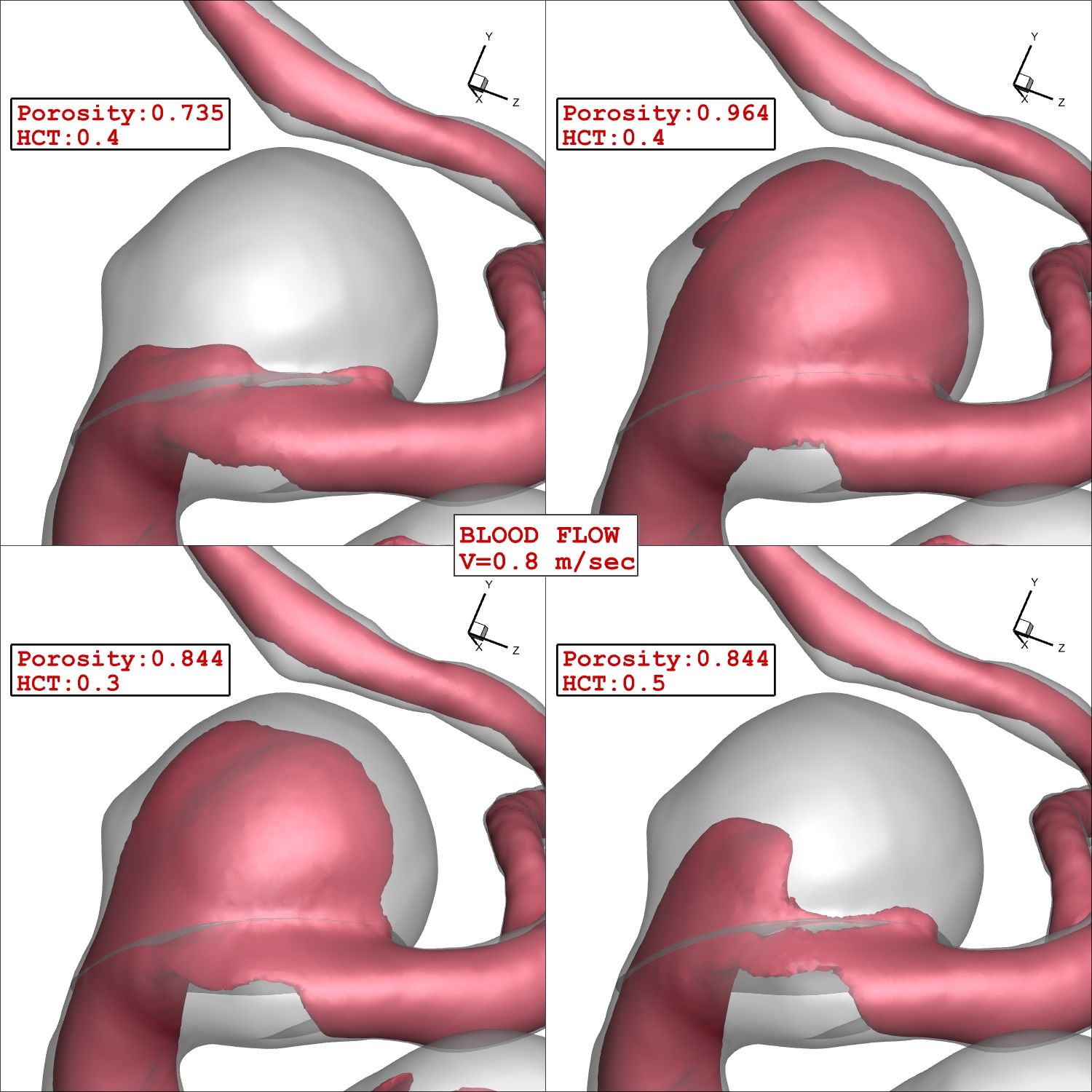
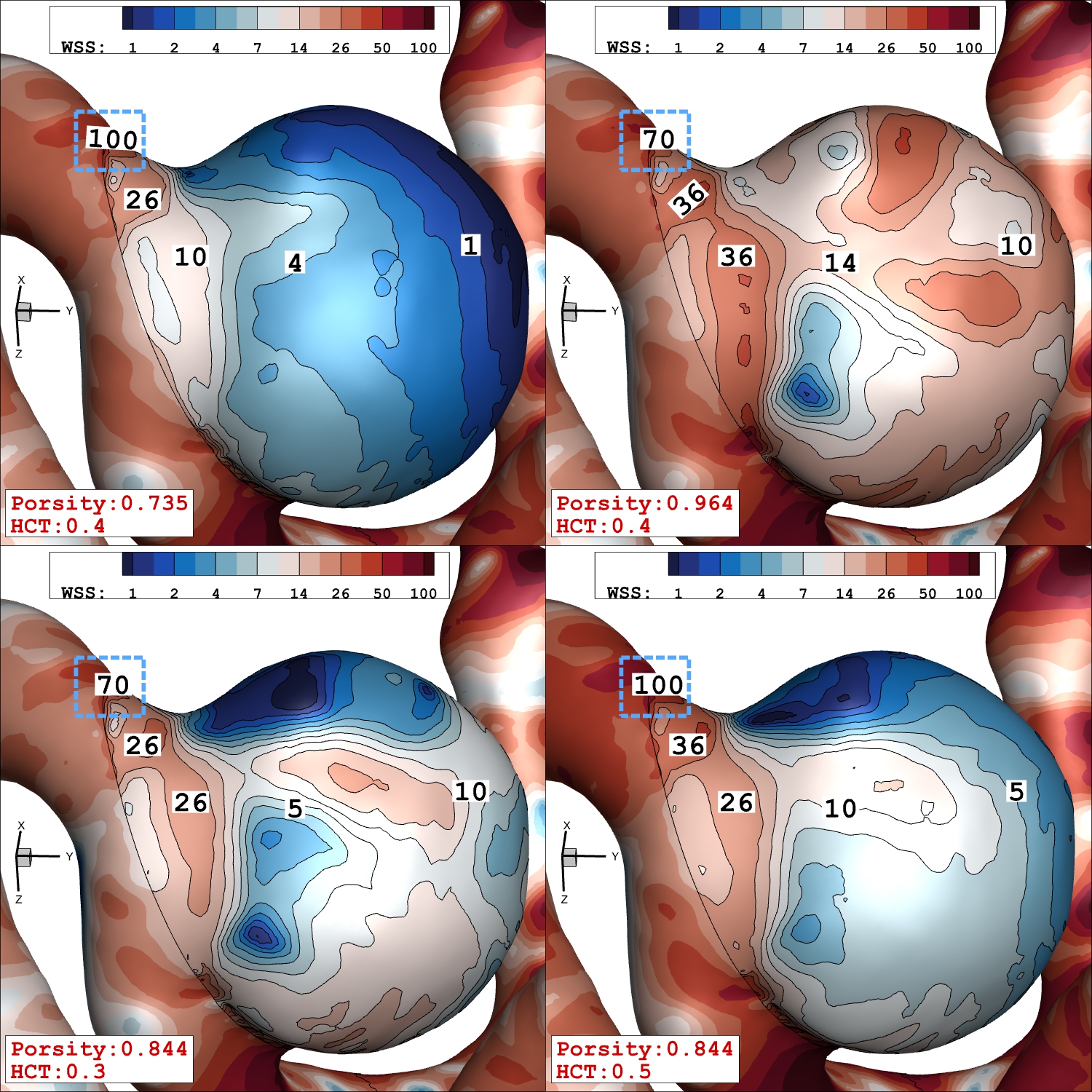
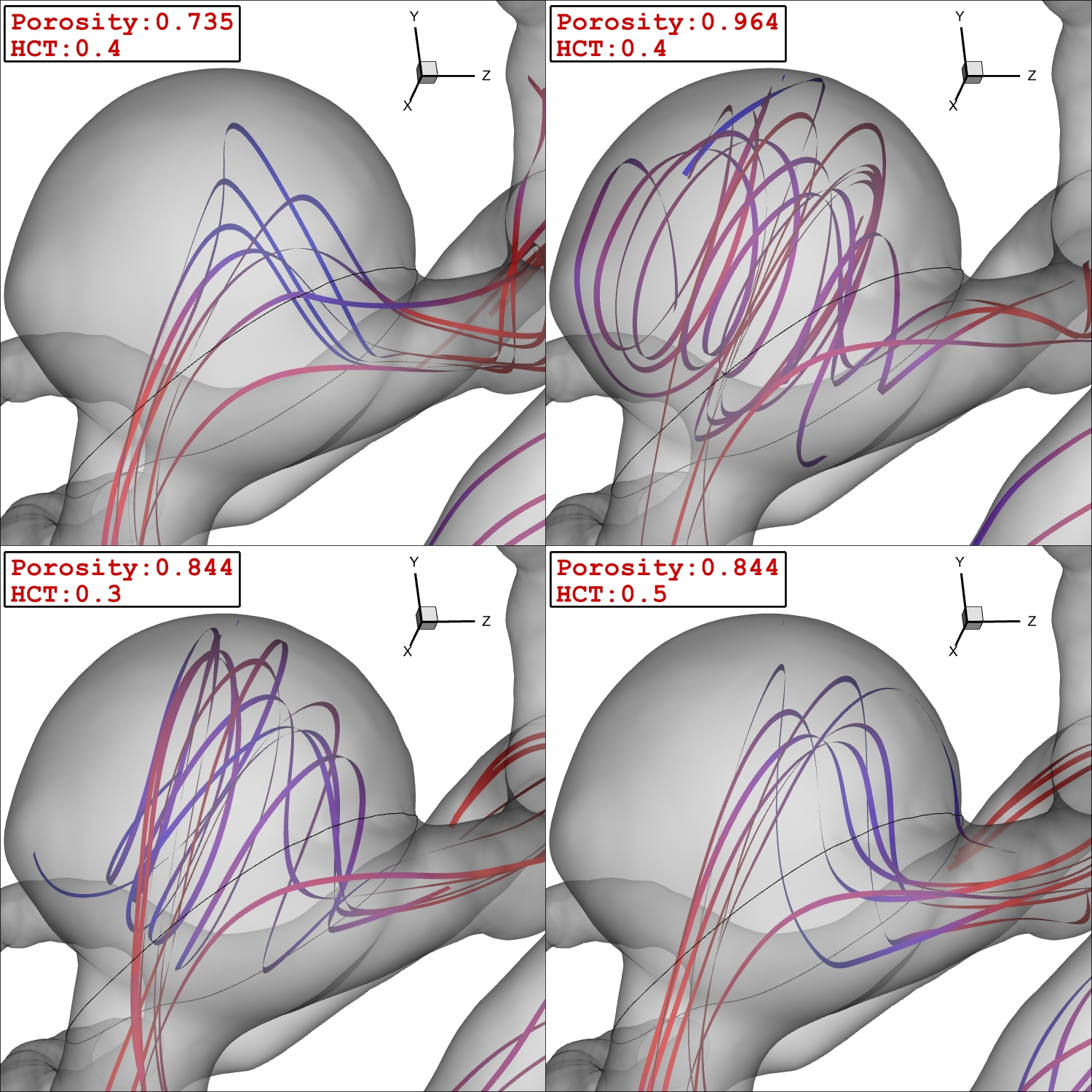
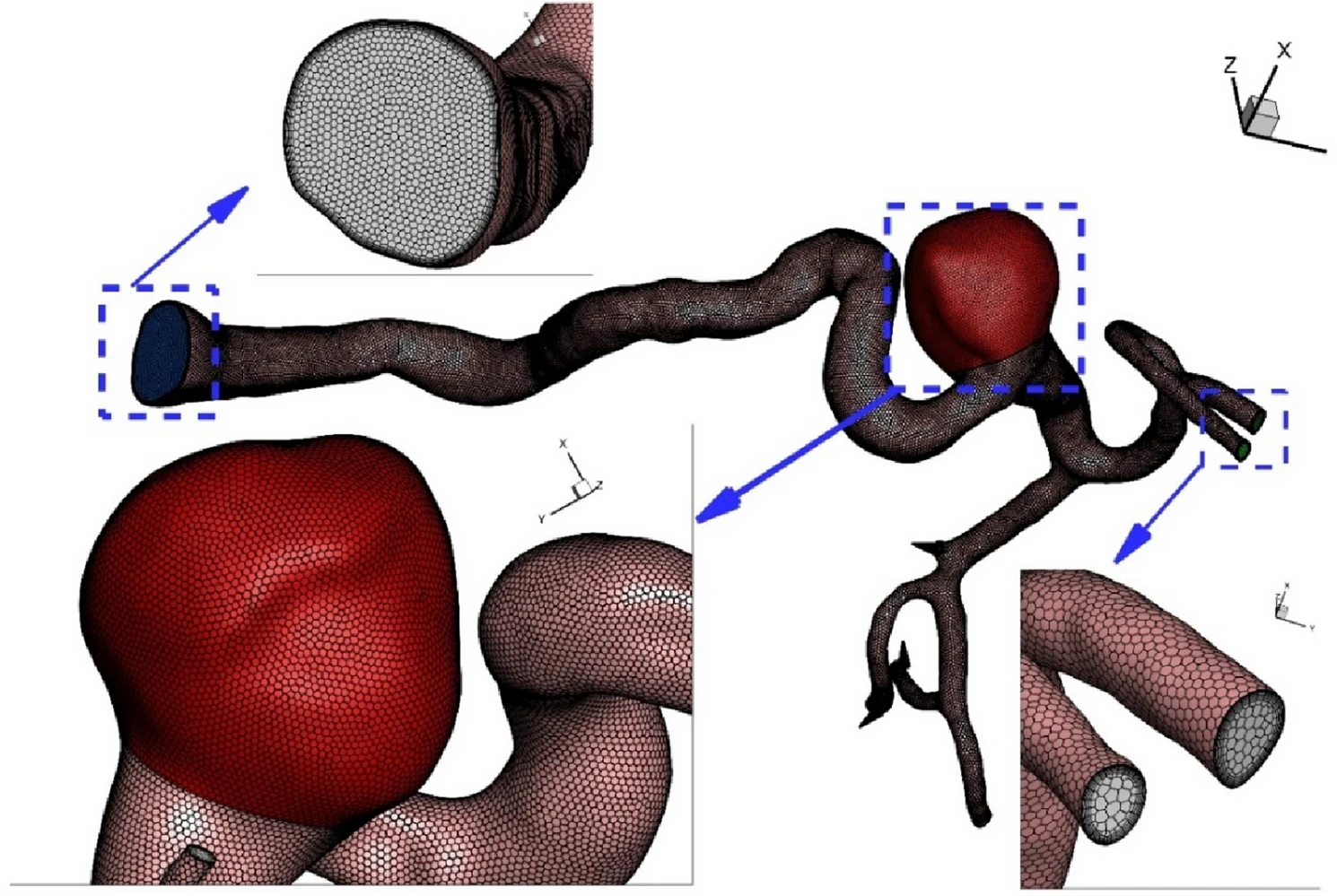
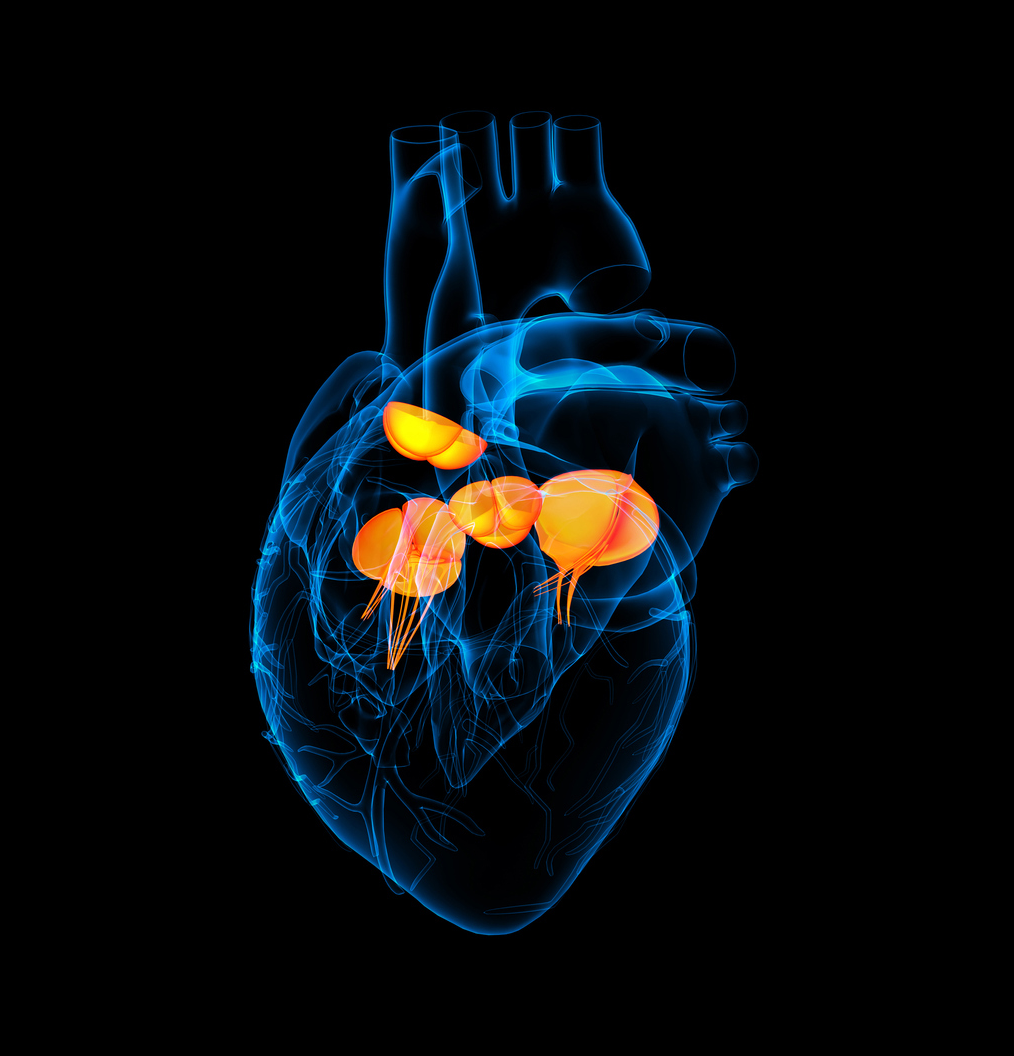
Cardiovascular Biomechanics Lab develops tools for simulating the cardiovascular system, with a particular focus on blood flow in the vasculature, aneurysms and the heart. 

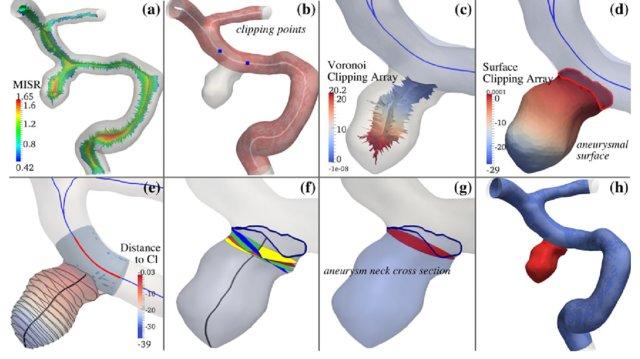
Our Experts build patient-specific models from medical image data (such as MRI and CT Scan) to create a customized model for each patient, which represents their unique vascular anatomy. 

They then use that model to run simulations of blood flow, which allows us to do virtual surgery, virtual treatment planning, and risk assessment.

Much of our focus is on developing numerical tools and computational algorithms to ensure we can capture things like cardiovascular physiology, moving heart and vessel walls or valve leaflets realistically. 

We also develop advanced algorithms for optimization of surgeries and medical devices and uncertainty quantification. Ultimately, we aim to bring the same kind of predictive simulations that we’ve come to routinely expect in, for example, the aerospace industry to medicine. 

Our goal is to make better predictions about patients’ outcomes following surgery or other interventions and ultimately improve their overall outcomes and quality of life.

Check out our work

Computational Fluid Dynamics (CFD)

The Cardiovascular Biomechanics Lab develops fundamental computational methods for the study of cardiovascular disease progression, surgical methods, treatment planning and medical devices. We focus on patient-specific modelling in pediatric and congenital heart disease, as well as adult cardiovascular disease. Our lab bridges engineering and medicine through the different experts in bioengineering and computational and mathematical engineering.

Medical Imaging

The aim of the track 'Imaging' is to develop clinical measurement techniques to assess the geometrical, biomechanical and morphological properties of primarily cardiovascular tissue (heart, arteries/veins). The ultimate goal is to improve diagnosis, clinical decision making, and monitoring of disease progression over time, and/or guide therapy/intervention using a non-invasive imaging modality that is easily accessible, cost-effective and radiation-free.
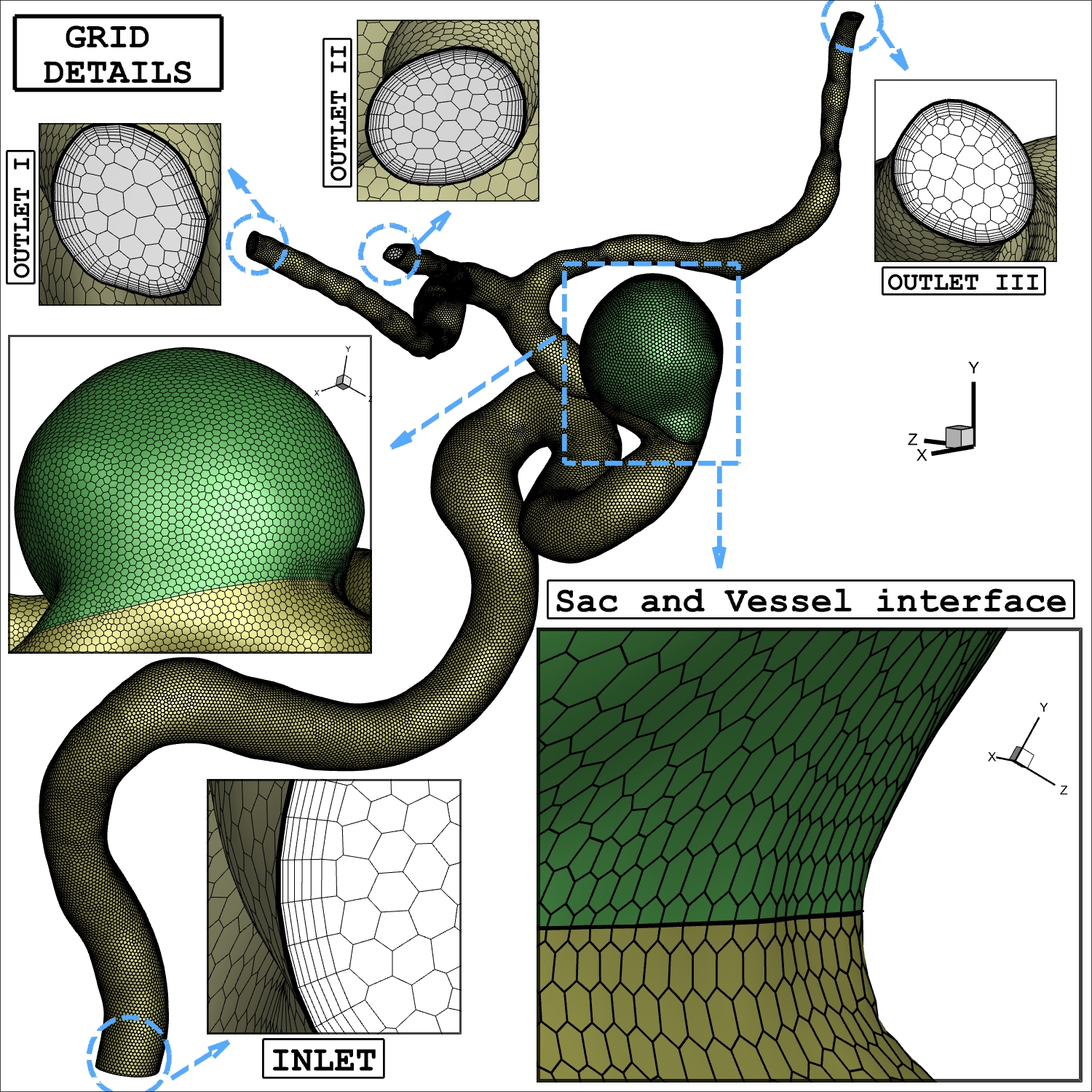
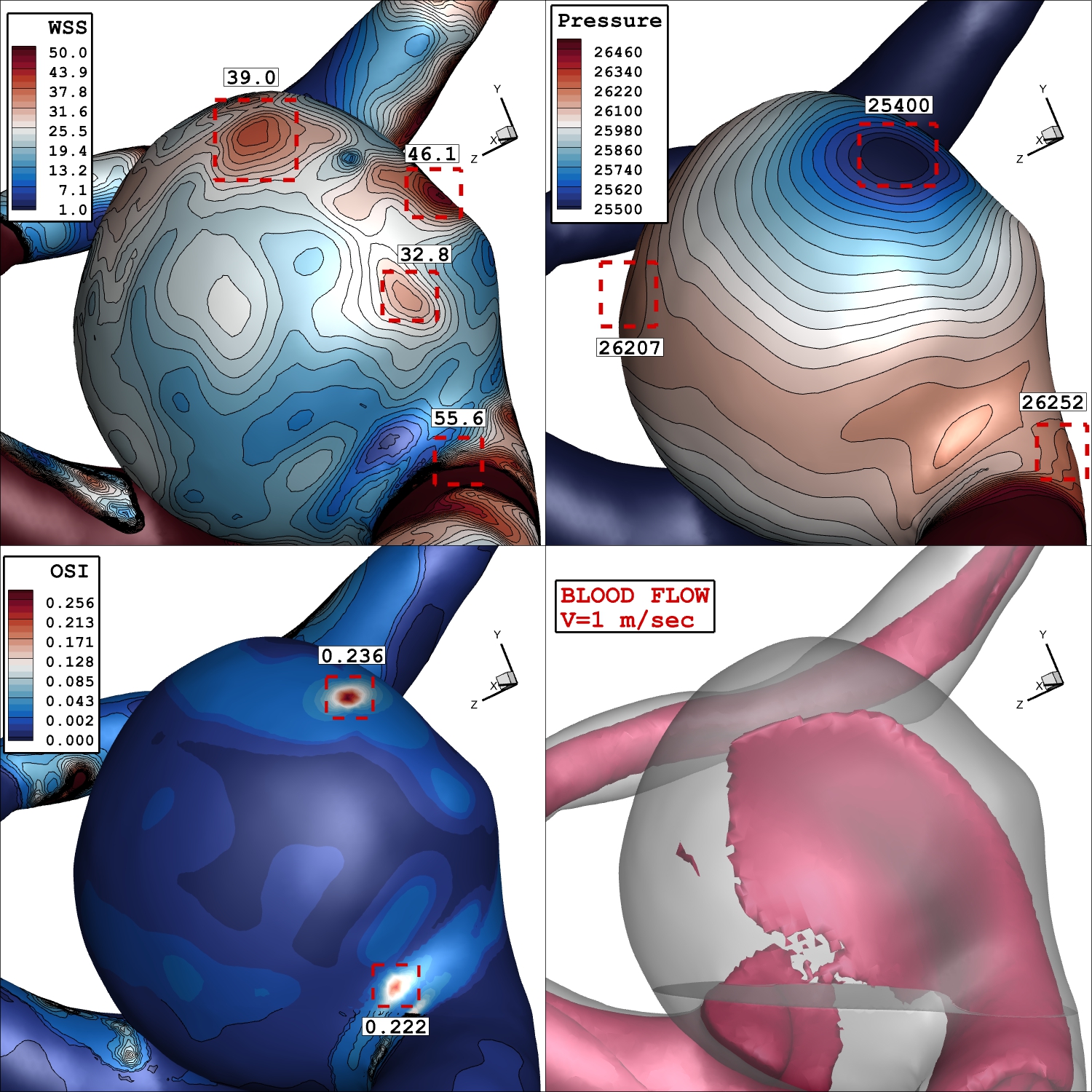
  1. Armin Sheidani, M. Barzegar Gerdroodbary, Amin Poozesh, Amir Sabernaeemi, Sajad Salavatidezfouli, Arash Hajisharifi. Influence of the coiling porosity on the risk reduction of the cerebral aneurysm rupture: computational study. Scientific Reports, (2022) 12:19082.
  2. Sadeh, A., Kazemi, A., Bahramkhoo, M., & Gerdroodbary, M. Computational analysis of the blood hemodynamic inside internal cerebral aneurysm in the existence of endovascular coiling. Int. J. Modern Physic C, (2022).
  3. Zan-Hui, J., Gerdroodbary, M., Valipour, P., Faraji, M., & Abu-Hamdeh, N. CFD investigations of the blood hemodynamic inside internal cerebral aneurysm (ICA) in the existence of coiling embolism. Alexandria Engineering Journal, (2022).
  4. Xiao-Yong, S., Xu, H.-Q., Gerdroodbary, M., Mousavi, S., Abazari, A., & Imani, S. Numerical simulation of blood flow effects on rupture of aneurysm in middle cerebral artery. International Journal of Modern Physics C, (2022), 33(3), 2250030. 
  5. Effects of coiling treatment on blood hemodynamic inside Internal Cerebral Aneurysm: Computational study, Amir Sabernaeemi; Sajad Salavatidezfouli; Armin Sheidani, (2022) (Submitted).
  6. Xiao-Yong Shen, M. Barzegar Gerdroodbary, Amir Musa Abazari & Rasoul Moradi. Computational study of blood flow characteristics on formation of the aneurysm in internal carotid artery. The European Physical Journal Plus 136 (2021).
  7. Xiao-Yong Shen, M. Barzegar Gerdroodbary, Amin Poozesh, Amir Musa Abazari and S. Misagh Imani. Effects of blood flow characteristics on rupture of cerebral aneurysm: Computational study. International Journal of Modern Physics C 32 (2021).

Connect with our team

Head of department

Dr Barzegar is a Research Associate at the Babol Noshirvani University of Technology. He completed his PhD in Mechanical Engineering on Modelling of Rarefied Gas Flow for Calibration of Gas Sensor using DSMC. He got his MSc in Aerospace Engineering (Aerodynamic) from the Faculty of Mechanical Engineering, Iran University of Science & Technology (IUST). He had worked for more than 10 years on Computational Fluid Dynamic (CFD) modelling of supersonic compressible flow.

Engineer

Fluid and thermal design engineer with experience in simulation of fluid flow in mesoscopic and microscopic scales by using lattice Bultmann and molecular dynamics methods.

Thermal Fluid engineer

CFD engineer with practical experience in building physics, vascular biomechanics simulation, the design of cooling systems and proficiency with Ansys Fluent and Minitab

Contacts

For any inquiries please email

clipping01

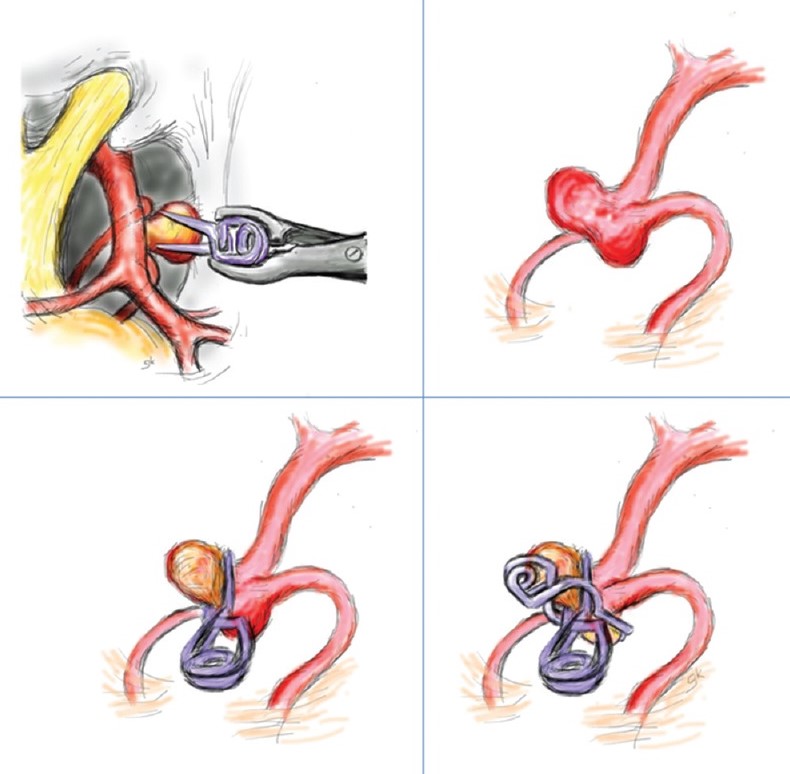
Aneurysm Clipping Treatment

Aneurysm Clipping Clipping is a tried-and-true method of treating an aneurysm, a bulge in a weak area of an artery. Artery walls are under constant pressure from the high-pressure blood…
ucsf-kidney-project

Building a Bioartificial Kidney

“By simulating the flow of blood through the different designs in Fluent and visualizing the outcomes in CFX, the researchers at The Kidney Project could measure blood flow velocity precisely,…