
Tahlilgarane Donyaye Sanaat

company icon
  • HOME
  • SIMULATION
    • COMPUTATIONAL FLUID DYNAMICS (CFD)
      • ANSYS FLUENT
      • OpenFOAM
      • COMSOL
    • FINITE ELEMENT METHOD (FEM)
      • Ansys
      • Abaqus
    • COMPUTER-AIDED DESIGN (CAD)
      • SOLIDWORKS
      • SpaceClaim
      • DesignModeler
      • AutoCAD
    • MATH
      • MATLAB
      • Maple
      • EES
    • DESIGN OF EXPERIMENTS (DOE)
      • Minitab
        • RESPONSE SURFACE METHODOLOGY (RSM)
        • SIX SIGMA ANALYSIS
        • OPTIMIZATION
  • CONSULTATION
    • PROJECTS
    • TRAINING
  • BLOG
  • ABOUT
    • CONTACT US
    • ABOUT US

Response Surface Methodology

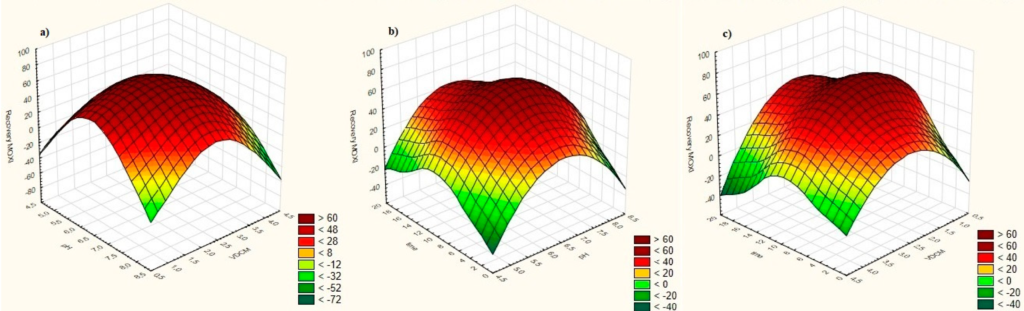
A response surface design is a set of advanced design of experiments (DOE) techniques that help you better understand and optimize your response. Response surface design methodology is often used to refine models after you have determined important factors using screening designs or factorial designs; especially if you suspect curvature in the response surface.

Use Analyze Response Surface Design to model curvature in your data and identify factor settings that optimize the response. Usually, you use a response surface design after you have conducted a factorial or fractional factorial experiment and have identified the most important factors in your process.


Minitab

What Can You Say When Your P-Value is Greater Than 0.05?

P-value P-values are frequently misinterpreted, which causes many problems. But the fact remains that the p-value will continue to be one of the most frequently used tools for deciding if a result is statistically significant.  You know the old saw about “Lies, damned lies, and statistics,” right?  It rings true because statistics really Read more…

By fluidcodes, 4 years17 February 2022 ago
TDS | Powered by TDS